Abstract
Patients with similar chronic diseases frequently experience markedly different clinical outcomes despite comparable diagnoses and treatments. We propose the Disease–Host Dual-System Framework, a conceptual architecture in which every chronic disease is understood as the interaction between an adaptive Disease System and an adaptive Host System. From this framework follow four logical consequences: clinical outcome is determined by the balance between Disease Pressure and Host Capacity; effective therapy modifies both; Host Capacity can be systematically strengthened; and the same architecture applies across chronic diseases. Together these concepts establish the theoretical foundation of Integrative Orthomolecular Systems Medicine (I-OM).
Introduction
Patients with similar diseases often experience different outcomes despite similar diagnoses and treatments.
Disease biology alone cannot fully explain these differences.
While remarkable progress has been made in elucidating disease-specific mechanisms, contemporary medicine increasingly recognizes the importance of systems-level interactions between pathology and the host[1–3].
We propose that the missing variable is the relationship between disease and the host in which it develops.
The five figures that follow present a single conceptual framework and its logical consequences.
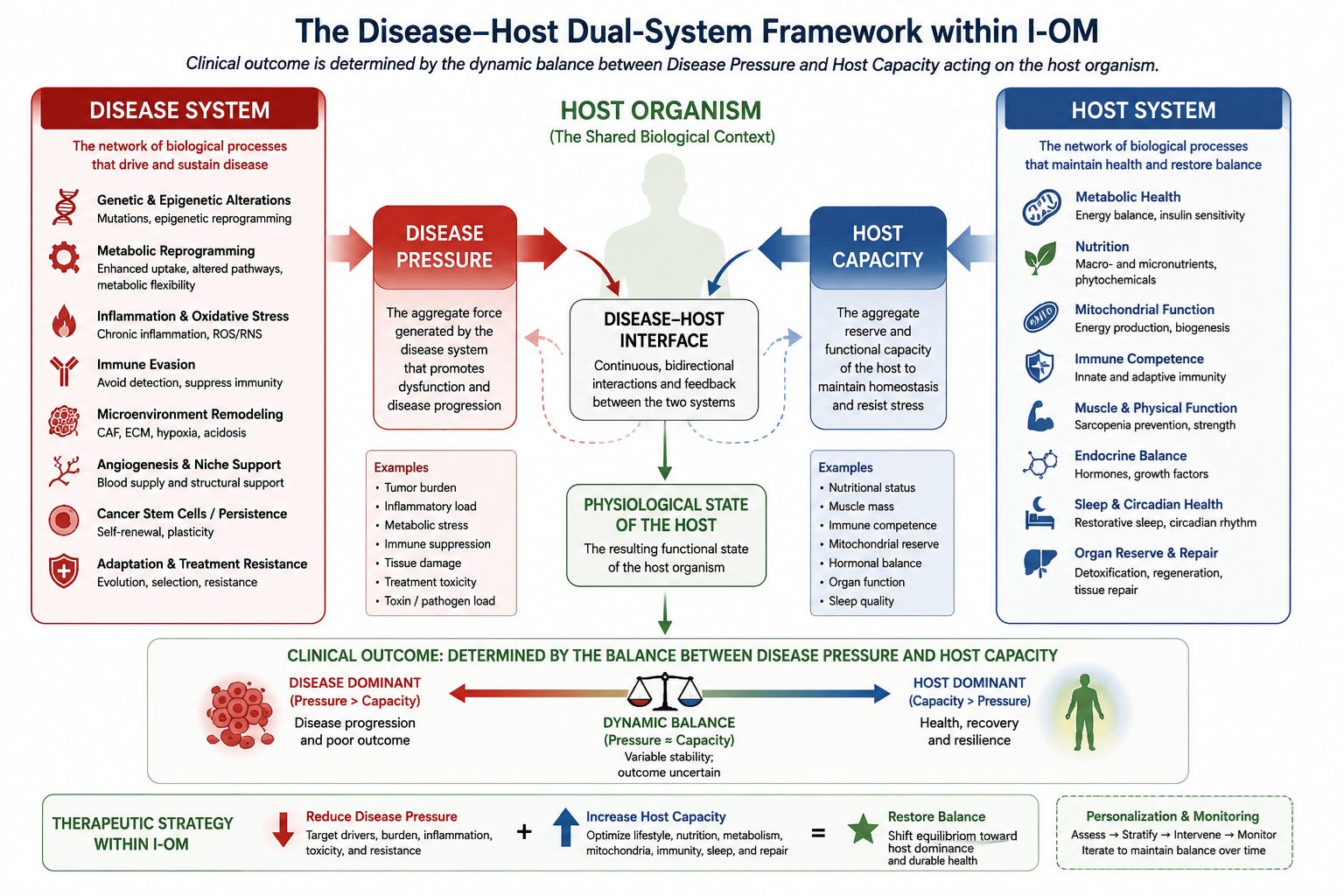
Figure 1. The Disease–Host Dual-System Framework
Every chronic disease consists of two adaptive biological systems: the Disease System and the Host System. The Disease System encompasses the biological processes that initiate, sustain, and adapt during disease progression. The Host System comprises the physiological processes that maintain homeostasis, adaptation, repair, and survival. Neither system functions independently. Disease continuously modifies host physiology, while the host continuously responds through metabolic adaptation, immune regulation, and tissue repair. Clinical outcome therefore emerges from the interaction between these adaptive systems rather than from either system alone. This framework shifts the central question of medicine from How do we eliminate disease? to How do we optimize the interaction between disease and host?
This perspective is consistent with systems biology, which emphasizes dynamic interactions among biological networks rather than isolated pathways[2].
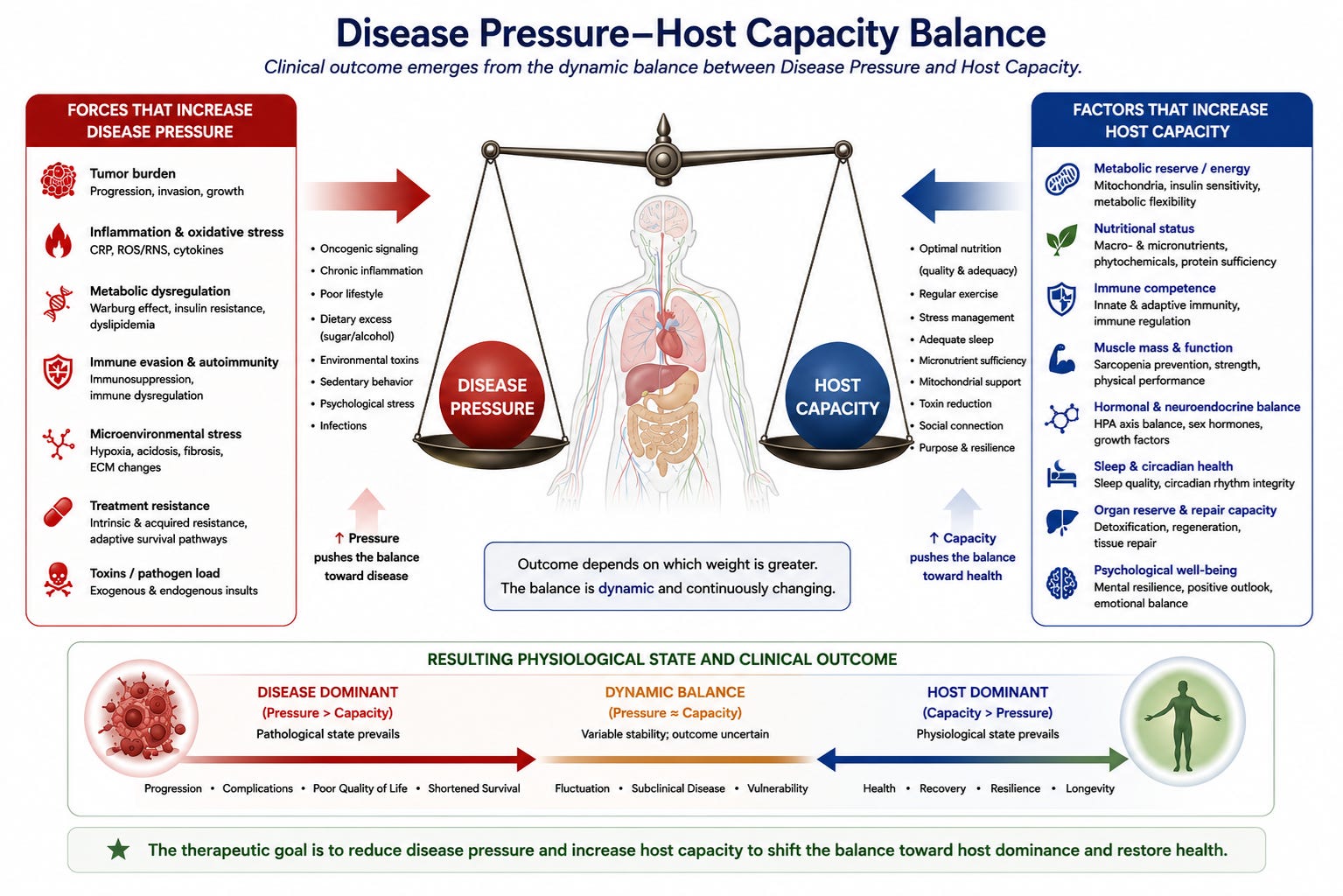
Figure 2. Disease Pressure and Host Capacity
The interaction between the Disease System and the Host System is expressed as the balance between Disease Pressure and Host Capacity. Disease Pressure represents the aggregate biological burden generated by disease. Host Capacity represents the integrated physiological reserve available to maintain function, adapt to stress, and recover from injury. Clinical deterioration occurs when Disease Pressure exceeds Host Capacity. Recovery becomes possible when Host Capacity equals or exceeds Disease Pressure. The concept of Host Capacity is related to established physiological concepts including homeostasis, allostasis, and physiological reserve[4, 5].
Both variables are dynamic and continuously influenced by disease progression, aging, lifestyle, environmental exposures, and therapeutic intervention. Clinical outcome is therefore determined by their relationship rather than by disease burden alone.
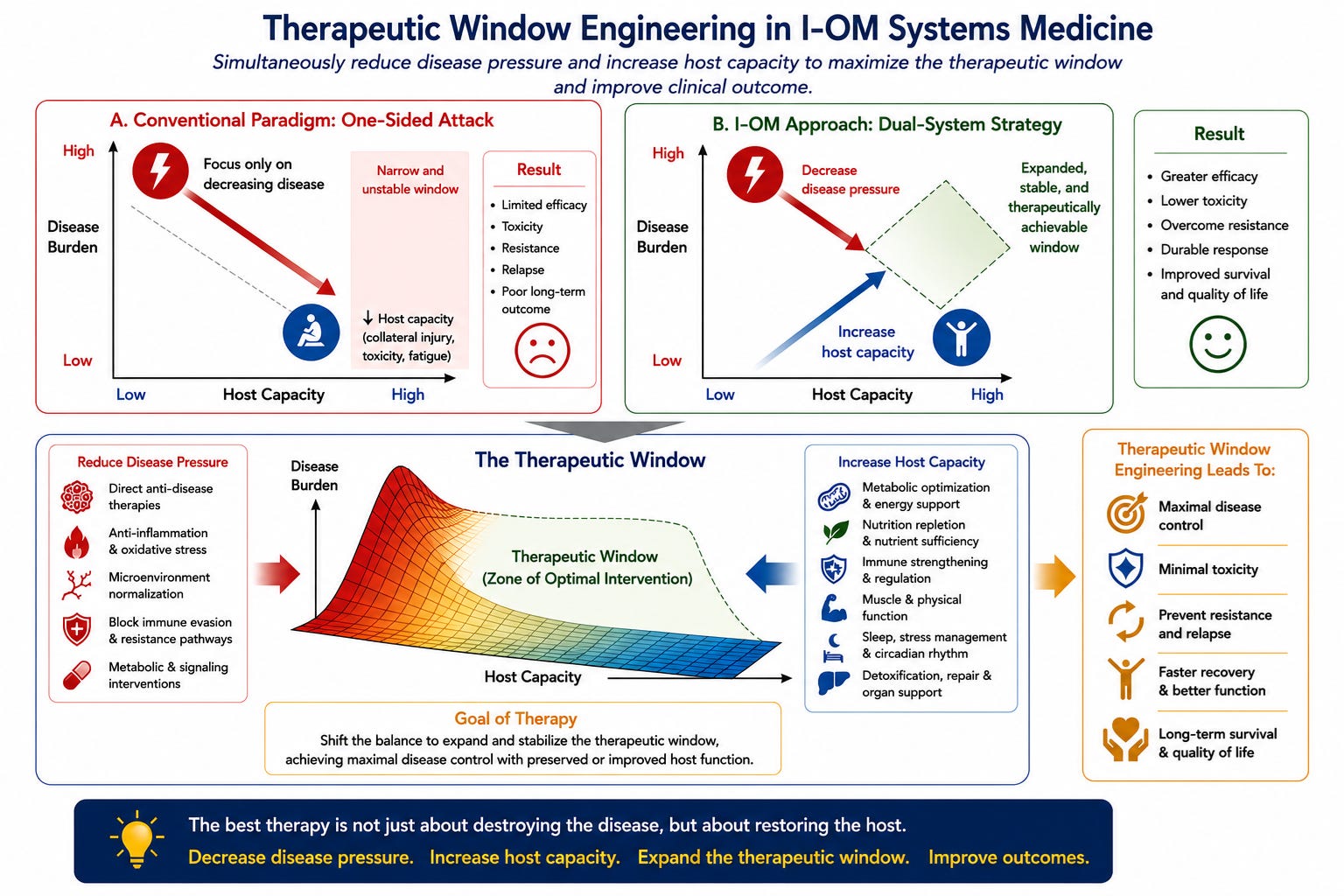
Figure 3. Therapeutic Window Engineering in I-OM Systems Medicine
If clinical outcome depends on the balance between Disease Pressure and Host Capacity, therapy should modify both. Conventional medicine primarily reduces Disease Pressure through disease-specific interventions. Cancer therapy provides a clear example in which disease-directed treatment may improve disease control while simultaneously reducing physiological reserve, thereby limiting the therapeutic window[6]. The Disease–Host Dual-System Framework expands this objective by simultaneously preserving or increasing Host Capacity. Disease-directed therapy and host optimization therefore become complementary rather than competing strategies. Therapeutic success is achieved not only by suppressing disease but also by expanding the therapeutic window through preservation of physiological reserve.
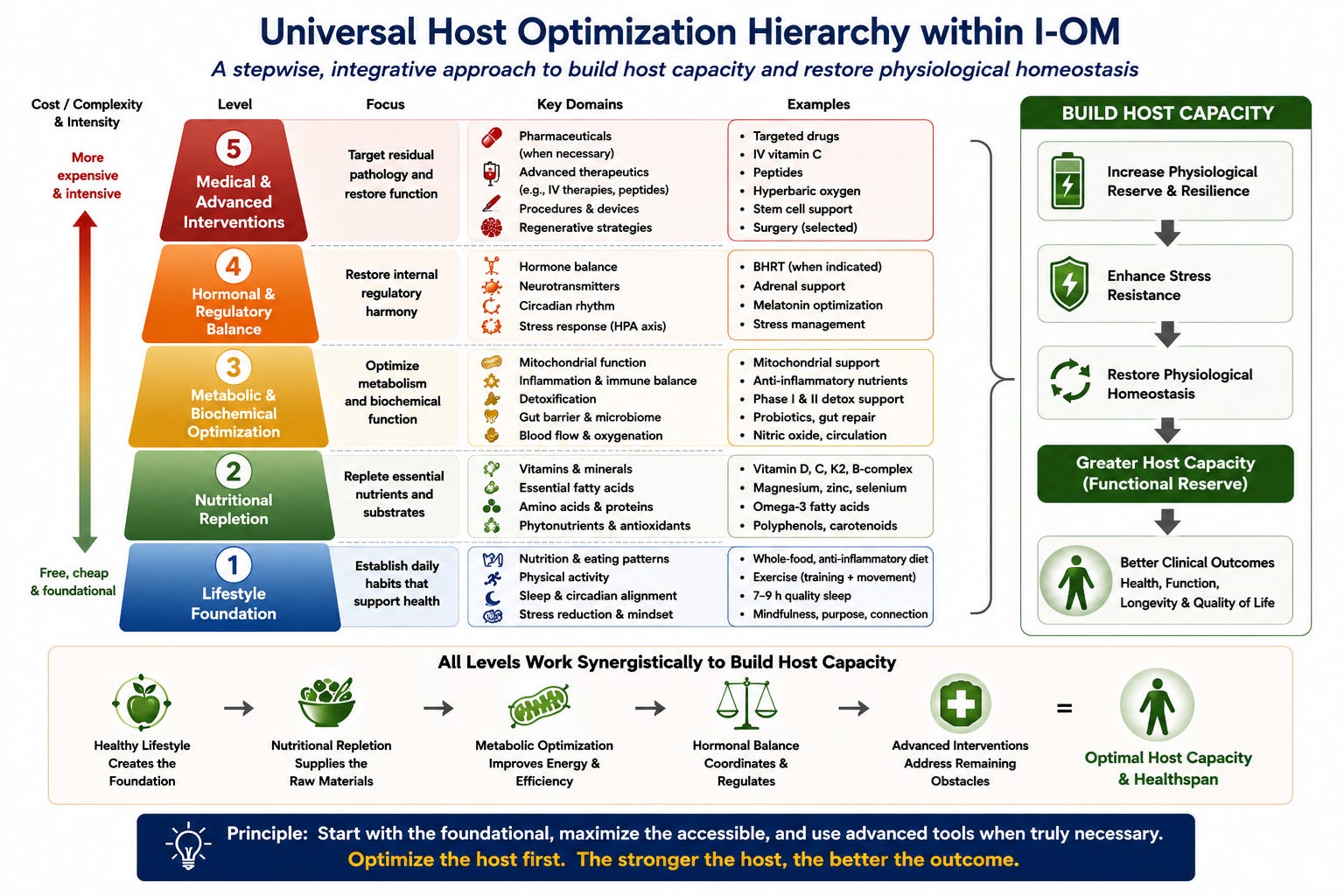
Figure 4. Universal Host Optimization
Host Capacity is not fixed. It can be systematically strengthened through hierarchical physiological optimization. Lifestyle, nutrition, metabolic health, endocrine regulation, mitochondrial function, immune competence, environmental health, and restorative therapies collectively determine the adaptive capacity of the host[7–9]. Although these interventions may not directly target disease-specific mechanisms, they strengthen the physiological foundation upon which all disease-directed therapies depend. Universal Host Optimization therefore represents a common therapeutic strategy across chronic diseases.
Conclusion
The Disease–Host Dual-System Framework begins with a single proposition: every chronic disease represents the interaction between an adaptive Disease System and an adaptive Host System. From this proposition follow four logical consequences: clinical outcome is determined by the balance between Disease Pressure and Host Capacity; therapy should modify both; Host Capacity can be systematically strengthened; and the same systems architecture applies across chronic diseases. Together these concepts establish the conceptual foundation of Integrative Orthomolecular Systems Medicine (I-OM). We hope this framework serves as a conceptual foundation for future hypothesis generation, experimental validation, and clinical implementation.
Declarations
Author Contributions
Richard Z. Cheng, MD, PhD (R.Z.C.) conceived the Disease–Host Dual-System Framework, developed the conceptual model, designed the figures, conducted the literature review, and wrote, reviewed, and approved the final manuscript.
Funding
This research received no external funding.
Institutional Review Board Statement
Not applicable.
Informed Consent Statement
Not applicable.
Data Availability Statement
No new data were generated or analyzed in this conceptual study. Data sharing is not applicable.
Conflicts of Interest
The author declares no conflicts of interest.
Acknowledgments
The author gratefully acknowledges the many researchers whose pioneering work in systems biology, systems medicine, homeostasis, cancer biology, orthomolecular medicine, and integrative medicine has contributed to the scientific foundation upon which this conceptual framework was developed.
References
1. Engel, G.L. The Need for a New Medical Model: A Challenge for Biomedicine. Science 1977, 196, (4286), 129–136. DOI: 10.1126/science.847460.
2. Kitano, H. Systems Biology: A Brief Overview. Science 2002, 295, (5560), 1662–1664. DOI: 10.1126/science.1069492.
3. Hood, L.; Friend, S.H. Predictive, Personalized, Preventive, Participatory (P4) Cancer Medicine. Nat Rev Clin Oncol 2011, 8, (3), 184–187. DOI: 10.1038/nrclinonc.2010.227.
4. Sterling, P. Allostasis: A Model of Predictive Regulation. Physiol Behav 2012, 106, (1), 5–15. DOI: 10.1016/j.physbeh.2011.06.004.
5. Cannon, Walter B. The Wisdom of the Body; W. W. Norton & Company, New York, 1963.
6. Hanahan, D.; Weinberg, R.A. The Hallmarks of Cancer. Cell 2000, 100, (1), 57–70. DOI: 10.1016/s0092-8674(00)81683-9.
7. Cheng, R.Z. Beyond Cholesterol: A Comprehensive Integrative and Systems Medicine Reassessment of Lipid and Lipoprotein Biomarkers in ASCVD. 2026. DOI: 10.20944/preprints202607.0008.v1; Available online: https://www.preprints.org/manuscript/202607.0008.
8. Cheng, R.Z.; Levy, T.E.; Hunninghake, R. The Insulin–Cortisol–Vitamin C Axis: A Missing Regulatory Framework in Metabolic and Hormonal Homeostasis A Narrative Review. 2025. DOI: 10.20944/preprints202512.0217.v1; Available online: https://www.preprints.org/manuscript/202512.0217.
9. Cheng, R.Z. Systemic Leaky Barrier Syndrome (SLBS): A Systems-Level Framework for Chronic Disease. 2026. DOI: 10.20944/preprints202602.0069.v2; Available online: https://www.preprints.org/manuscript/202602.0069.